July 24, 2026
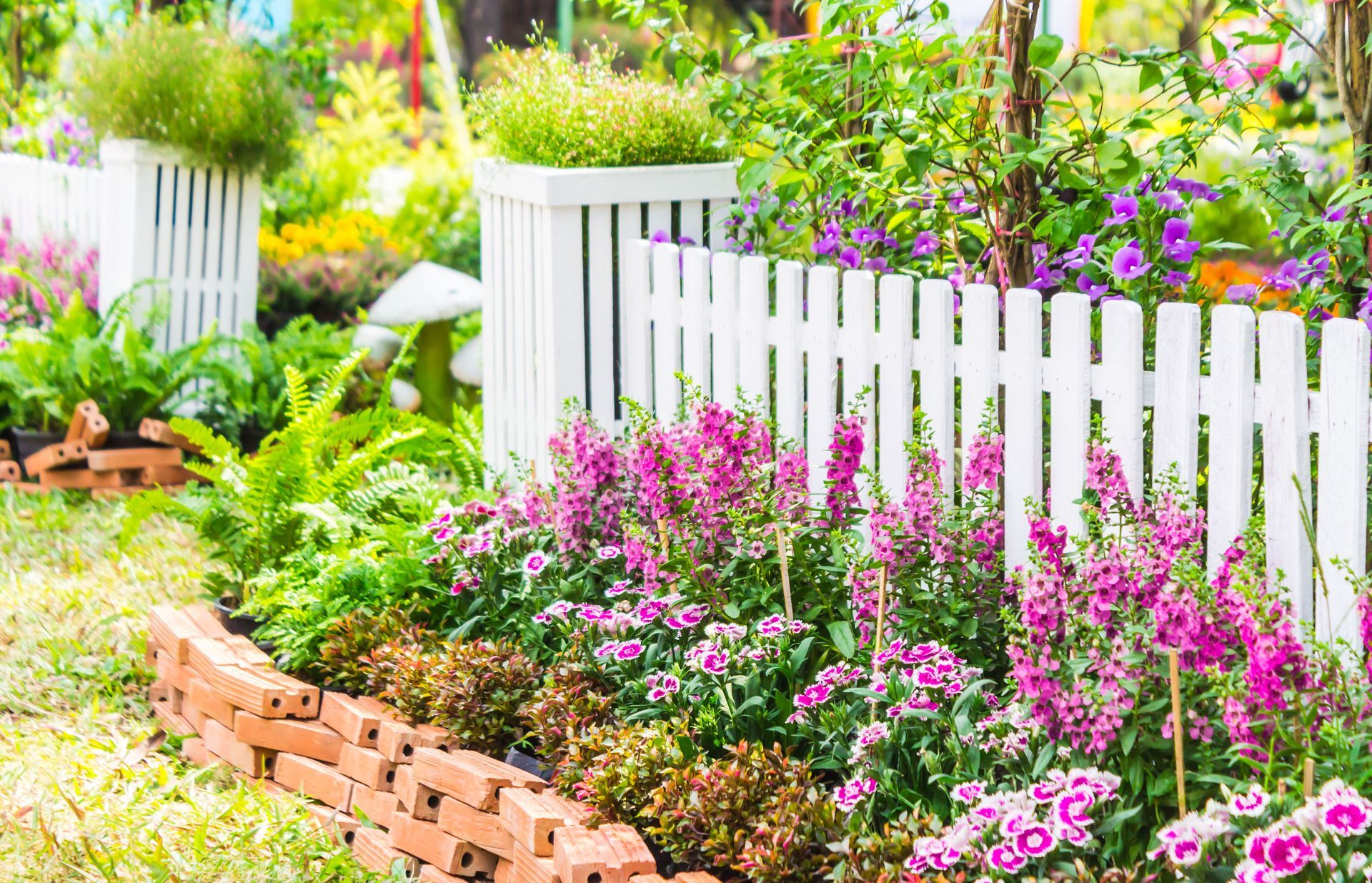
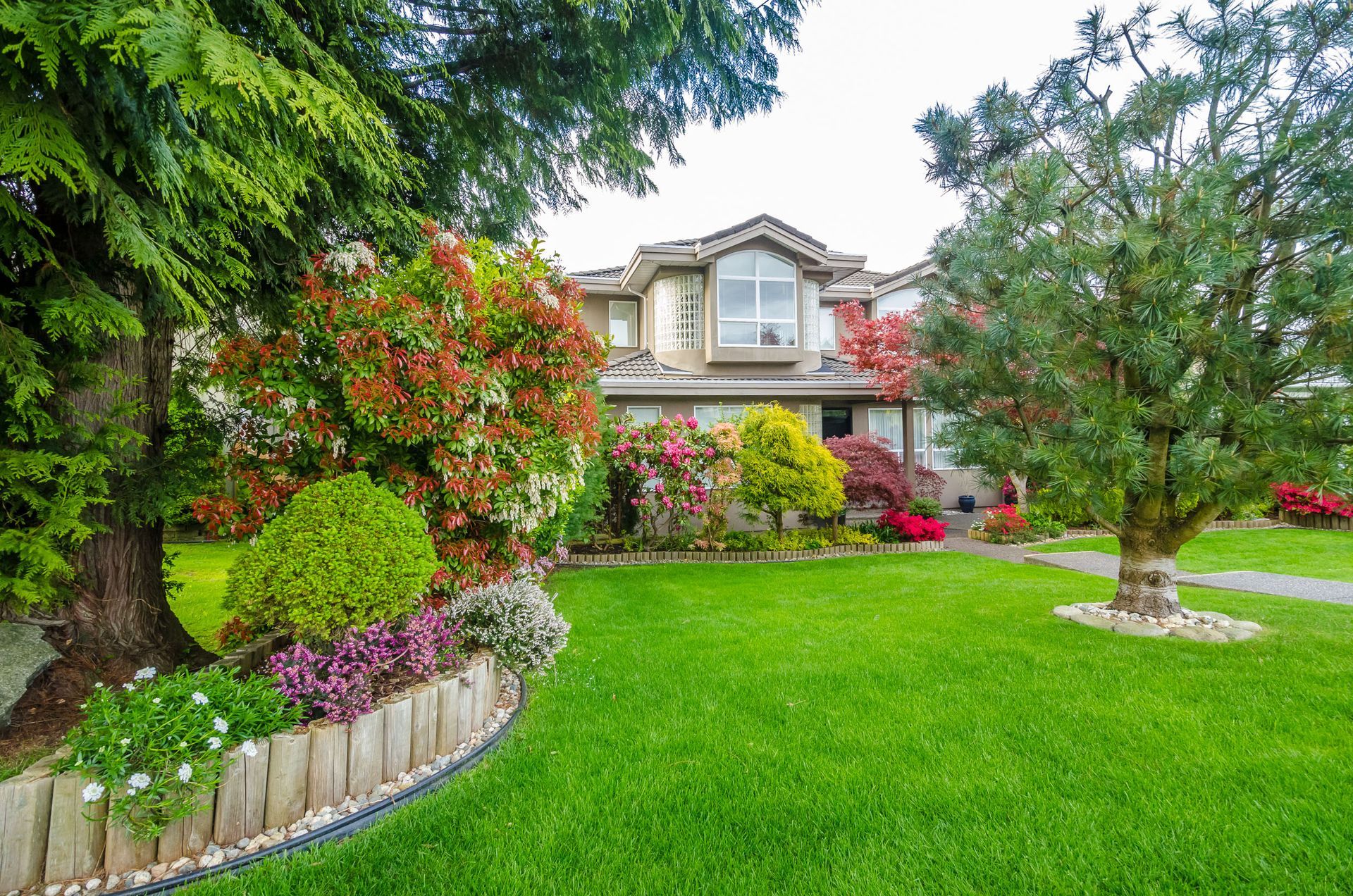
A beautiful garden can become more interesting when it includes plants that return each growing season. Perennials offer homeowners the opportunity to create a landscape with lasting color, varied textures, and changing visual interest without starting over each year. From vibrant flowering plants to foliage-focused varieties and ornamental grasses, different perennials can serve unique purposes within the same garden. Choosing plants with different bloom periods, colors, heights, and growing habits can help create a more balanced landscape. Gardening with a thoughtful combination of perennials can also provide opportunities to support pollinators and local wildlife. The right plants can transform a basic planting bed into a more layered and inviting outdoor space. Whether you're planning a new garden or adding to an existing landscape, these perennial options can help create lasting beauty.
Create a Colorful Foundation With Yarrow
Perennials are a practical way to build a garden that continues changing throughout the growing season. Yarrow is one option for adding long-lasting color and texture to planting beds. Several yarrow varieties are available, including Burnt Orange Yarrow, Red/Pink Yarrow, Magenta Yarrow, and Yellow Yarrow. These plants can help create visual interest while adding varied colors to the landscape. Their upright flower clusters can also complement lower-growing plants and fuller-foliaged varieties. When planning a garden, combining different bloom colors can create a more layered and dynamic appearance. Gardening with perennials allows homeowners to develop a landscape that continues to return year after year. Yarrow can be a useful choice for adding color and structure to a thoughtfully planned planting bed.
Add Pollinator-Friendly Color With Milkweed
Milkweed can bring both beauty and ecological value to a perennial garden. Pink Swamp Milkweed and Butterfly Weed are two options for adding color while supporting pollinators and creating a more wildlife-friendly landscape. According to the National Wildlife Federation, more than 70 species of milkweed are native to the U.S., giving gardeners a wide range of native plants to consider when planning pollinator-friendly spaces. Butterfly Weed can add warm color, while Pink Swamp Milkweed offers a different visual character for the garden. Choosing plants with varied colors and growing habits can make a planting area more interesting throughout the season. Gardening with plants that support local ecosystems can also make an outdoor space feel more connected to its surroundings. Milkweed is a thoughtful addition for homeowners who want beauty and environmental value in the same garden.
Bring Seasonal Interest With Coneflowers
Coneflowers are a popular perennial choice for creating a colorful and lively garden. Varieties such as Cheyenne Spirit, Green Twister, Raspberry, Magnus, Orange Skipper, and PowWow White Coneflower offer opportunities to incorporate different colors and visual styles into the landscape. Coneflowers can work well in perennial beds, mixed borders, and other areas where homeowners want strong seasonal interest. Their distinctive flower shapes can also add variety when planted alongside softer foliage or rounded blooms. Mixing several perennial forms helps prevent a garden from appearing flat or repetitive. Gardening with coneflowers can create a landscape that feels colorful and active throughout the growing season. They can also serve as a strong focal point in a thoughtfully designed planting area.
Create Texture With Ornamental Grasses
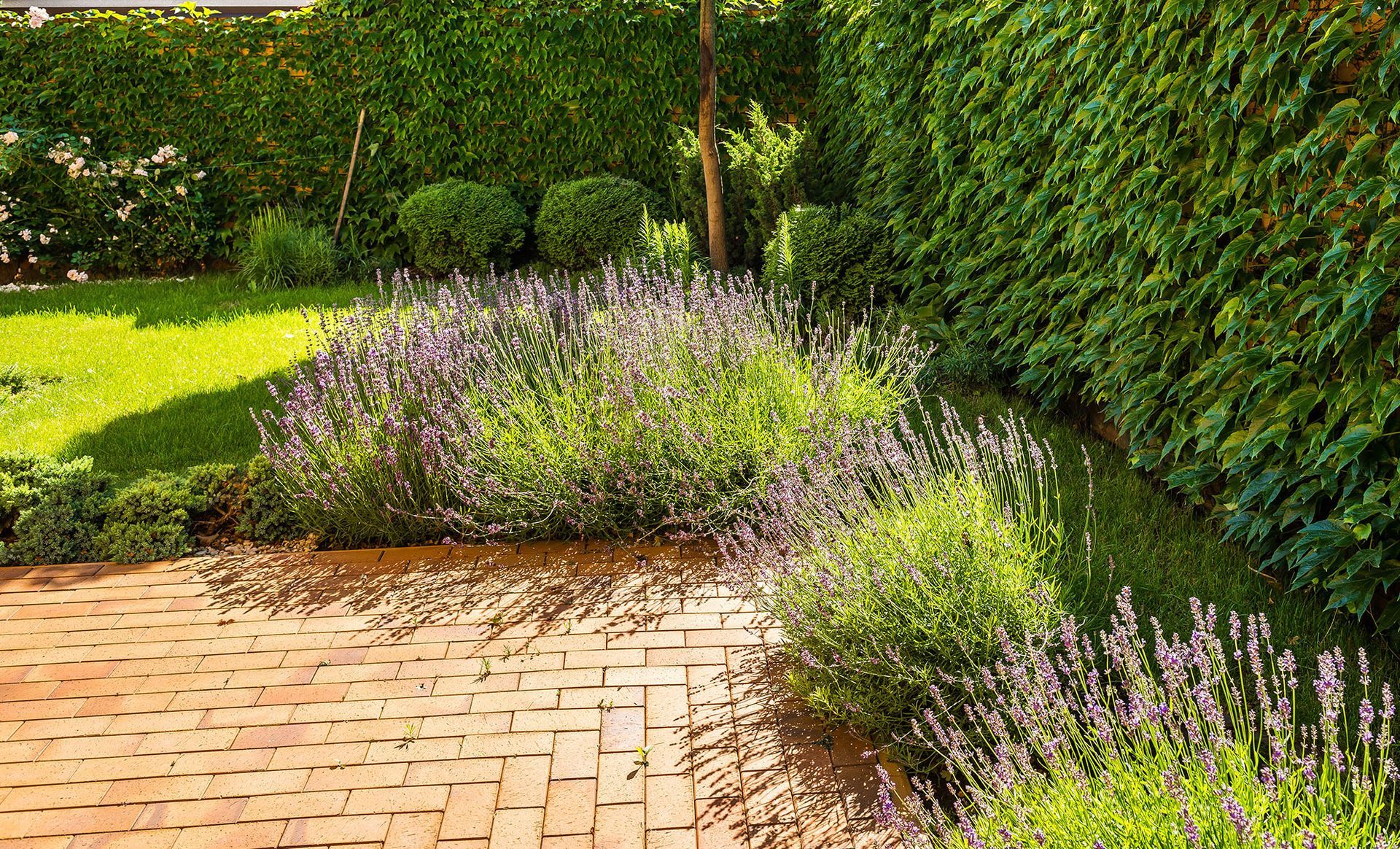
Ornamental grasses provide a different type of visual interest than flowering perennials. Their blades and upright growth habits can add movement, texture, and structure to planting beds. Ornamental grasses are an option for homeowners who want more than traditional blooms. Grasses can help balance colorful flowers by introducing varied shapes and foliage textures. They may also add interest to areas where homeowners want a more natural or layered appearance. Combining grasses with flowering plants can create contrast throughout the garden. Gardening with a mix of textures helps make outdoor spaces feel more dimensional and thoughtfully planned. Ornamental grasses can contribute structure that remains valuable even when nearby flowers are not blooming.
Add Graceful Color With Anemones
Anemones can bring an elegant appearance to a perennial planting design. Options such as Elfin Swan Anemone, Double Pink Windflower, White Windflower, and Pink Windflower offer opportunities to incorporate soft or vibrant colors into a garden. Their blooms can complement plants with contrasting shapes and foliage. Anemones can be used to help create a more layered planting arrangement rather than relying on one type of flower throughout the space. Pairing them with plants that bloom at different times can also help extend seasonal interest. Gardening with a variety of perennial flowers allows homeowners to create more dynamic outdoor spaces. Anemones can add a graceful touch to beds, borders, and other carefully planned areas.
Build Lasting Structure With Daylilies
Daylilies are another versatile option for homeowners looking to create a colorful perennial garden. Varieties such as Happy Returns, Joan Senior, Pardon Me, Purple D'Oro, Stella D'Oro, and Strawberry Candy Daylilies offer different colors and forms for customized planting designs. Daylilies can contribute dependable structure to garden beds while adding seasonal blooms. Their foliage can also provide visual interest outside of the primary flowering period. Combining several varieties can create contrast and help prevent large planting areas from looking uniform. Gardening with daylilies offers a way to incorporate color while developing a landscape with a strong perennial foundation. These plants can work well as part of larger garden compositions.
Create Rich Foliage With Coral Bells
Flowers are not the only way to add color to a perennial garden. Coral bells can provide distinctive foliage that contributes interest even when other plants are not blooming. Varieties such as Berry Smoothie, Caramel, Citronelle, Fire Alarm, Forever Purple, Forever Red, Georgia Peach, and Midnight Rose Coral Bells offer a range of foliage colors and visual styles for different garden designs. Planting foliage with contrasting shades can create depth and help separate nearby flowering plants. Coral bells can also help fill spaces where homeowners want texture without relying exclusively on large blooms. Gardening with foliage-focused perennials can create a more balanced and visually interesting landscape. These plants can help ensure that the garden continues offering color and texture across different parts of the season.
Support Wildlife With Native Plant Choices
A garden can provide more than visual appeal when homeowners choose plants that support local wildlife. Native and wildlife-friendly perennials can help create a more welcoming environment for pollinators and other beneficial species. Milkweed varieties such as Butterfly Weed and Pink Swamp Milkweed are examples of plants that can contribute to pollinator-focused gardens. Choosing plants based on both appearance and environmental value can make a landscape more meaningful. Gardening with wildlife in mind can also encourage homeowners to think carefully about plant diversity and seasonal interest. A varied garden may provide more resources and habitat than a landscape built around only one type of plant. Thoughtful plant selection can support both the beauty of the property and the surrounding ecosystem.
Plan a Garden With Lasting Variety
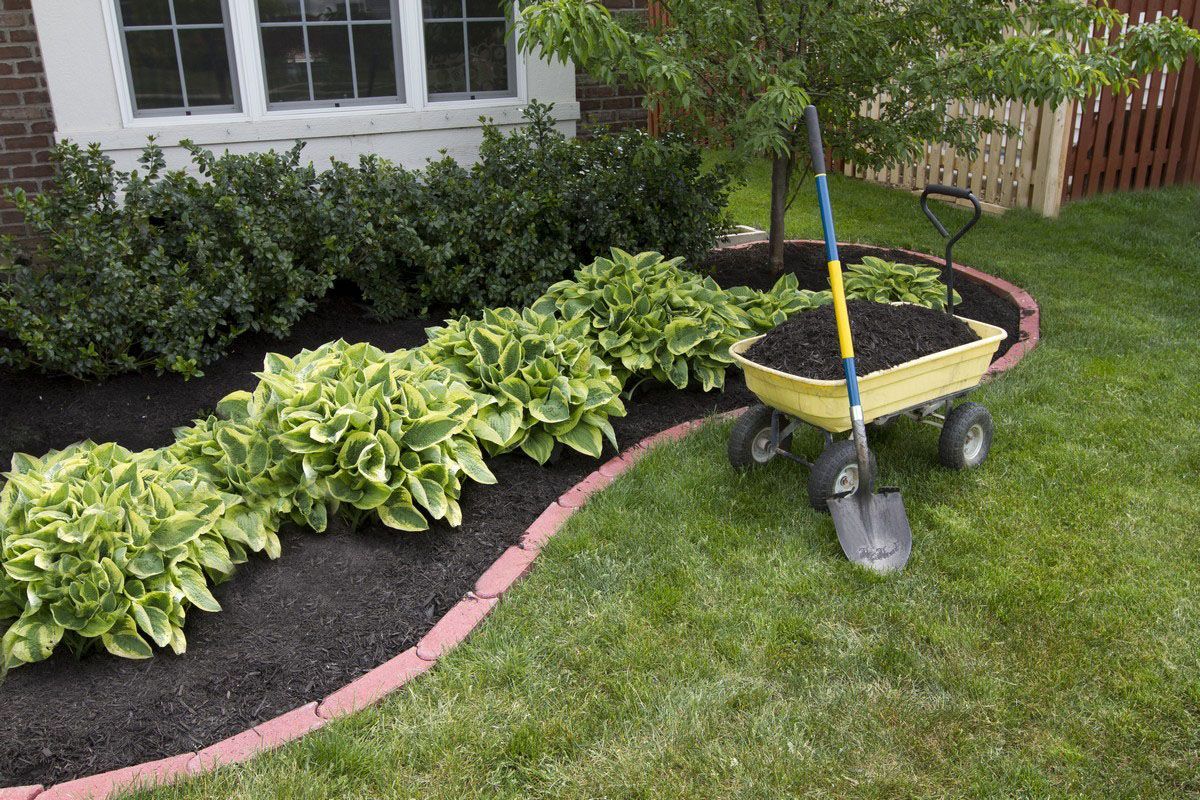
The most successful perennial gardens often combine plants with different colors, textures, heights, and blooming periods. This approach creates a landscape that changes throughout the growing season rather than reaching its peak all at once. Homeowners can combine flowering plants such as yarrow, coneflowers, anemones, and daylilies with foliage plants and ornamental grasses. Native species and pollinator-friendly selections can add another layer of purpose to the design. Before planting, consider the available space, sunlight, soil conditions, and the overall appearance you want to create. Availability can change throughout the season, so checking with the garden center before visiting can help you find the plants you want. Gardening with a thoughtful plan can help homeowners create a landscape that feels cohesive and continues providing interest over time. A diverse selection of perennials gives the garden more opportunities to remain colorful and engaging.
Ready to create a garden filled with long-lasting color, texture, and seasonal interest? Contact Kurtz Bros. Mulch & Soils to explore available perennials and find plants that fit your landscape goals. Start planning your perennial garden today with the right combination of flowering plants, foliage, grasses, and native selections.