June 16, 2026
Ornamental trees and shrubs transform ordinary yards into living retreats of beauty. These grand botanical specimens add structure, shade, and seasonal color to residential landscapes. Selecting appropriate species demands serious consideration of local climate zones and distinct soil conditions. Many homeowners begin their garden journey by visiting a local plant nursery to gather initial inspiration. Walking among rows of vibrant foliage provides a clear vision for future landscape designs.
Creating a thriving outdoor space involves effort beyond digging basic holes in the dirt. It demands a deep understanding of proven horticultural practices and an ongoing dedication to plant health. Home environments benefit in countless ways from fresh green additions. A thoughtful approach ensures these living investments flourish over extensive timeframes. The following guidelines provide essential knowledge for cultivating majestic outdoor spaces without overwhelming the amateur gardener with complex jargon.
Choosing the Ideal Varieties
Every successful landscape project begins with optimal plant selection. A high-quality plant nursery offers robust varieties adapted to regional weather patterns and specific soil types. Seeking out native species reduces future maintenance requirements and supports local wildlife populations in profound ways. Native specimens resist regional pests and diseases better than exotic imports from distant climates. This initial research saves time and prevents future frustration for the dedicated gardener.
Consider the mature size of each specimen before making a purchase. A small sapling might look innocent in its container, but it could outgrow a cramped corner within a few seasons. Measure the available space in the yard with care. Leave ample room for the upper canopy to expand and for underground root systems to spread outward. Ignoring this spatial requirement leads to crowded yards and stunted plant growth.
Evaluate the sunlight patterns crossing the property throughout the day. Some shrubs demand full sun to produce abundant blooms. Other woodland trees prefer dappled shade to protect their delicate leaves from scorching afternoon heat. Match the unique light requirements of each species to the specific microclimates present in the yard. Placing a shade-loving shrub in direct sunlight causes burned foliage and eventual decline in plant health.
Think about the visual impact of the green space. Deciduous trees provide spectacular autumn colors and allow warm winter sunlight to reach the home. Evergreen shrubs maintain year-round structure and create living privacy screens against property lines. Mixing different foliage textures and seasonal colors generates visual interest across all seasons. Diverse plantings ensure the garden remains an attractive focal point throughout the year.
Preparing the Planting Site
Soil preparation dictates the long-term vitality of any new landscape addition. Test the soil pH to determine if amendments are necessary for optimum growth. Most ornamental shrubs prefer a mildly acidic profile to absorb crucial nutrients from the earth. If the ground contains compact clay, incorporate rich organic matter to improve drainage and root aeration. Good soil structure allows water to permeate the root zone without causing harmful stagnation.
Digging the hole requires precision and physical effort. The excavation must be much wider than the root ball but no deeper. Burying the specimen past the root flare causes the trunk bark to rot and decay. A broad hole encourages young roots to reach into the surrounding earth. Visiting a commercial plant nursery can yield specific advice on depth requirements for unique or uncommon cultivars.
The inner sides of the excavated hole must remain rough and textured. Smooth walls created by a metal shovel act like a hard clay pot, trapping roots and standing water in a confined space. Scarify the dirt edges to allow tender root tips to penetrate the native soil. This physical practice promotes an expansive root system capable of anchoring large trees during severe storm events.
Avoid adding synthetic chemical fertilizers into the fresh planting hole. Concentrated plant nutrients burn delicate young roots and hinder initial establishment. In place of chemicals, mix natural compost into the original backfill dirt. Organic soil enrichment provides a stable foundation for young specimens to establish themselves in their new environment. This subtle approach mimics the natural forest floor and promotes vigorous growth in the coming months.
Executing the Installation Process
Handling the specimen requires immense care to prevent physical damage. Lift the tree or shrub by the solid root ball, avoiding the fragile trunk. Pulling on the main stem breaks tiny feeder roots responsible for all water absorption. If the roots circle the inner container edge, loosen them with bare fingers before final placement. Bound roots will continue growing in circles and strangle the plant over time.
Position the specimen in the exact center of the prepared hole. Ensure the central trunk stands straight from all viewing angles around the yard. Step back and assess the natural orientation of the main branches. Rotate the root ball until the most attractive side faces the primary viewing area of the yard. This simple adjustment guarantees maximum aesthetic appeal for people admiring the garden from the house.
Backfill the hole with the amended native soil. Tamp the dirt down with gentle pressure to remove large air pockets. Water the area during the backfilling process to settle the loose earth around the roots. This step ensures good contact between the root system and the surrounding soil. This is a good time to consider the mental benefits of this work. According to SDSU Extension, studying or working around plants can increase memory retention by as much as 20%.
Create a shallow watering basin around the outer drip line of the newly installed specimen. A raised soil berm directs irrigation water toward the root zone rather than letting it run off the dry surface. A staff member at a local plant nursery might recommend specific mulch types to retain moisture. Apply thick organic mulch inside the basin, keeping it away from the base of the trunk.
Maintaining the Growing Landscape
Consistent hydration remains vital during the crucial establishment period. Young trees and shrubs require deep watering to encourage downward root growth. Frequent sprinkling promotes weak surface roots susceptible to severe drought damage. Monitor the hidden soil moisture by checking the earth beneath the protective mulch layer. Feeling the dirt with bare hands provides the best indication of actual watering needs for new garden additions.
Pruning shapes the mature form of the plant and removes dead or diseased wood. Delay major structural pruning until the specimen has established itself in the ground for a full growing season. Limit initial snips to broken or crossing branches. Use sharp pruning tools to make precise cuts that heal without incident. Ragged cuts invite disease and slow the healing process of woody stems.
Inspect the foliage and stems for distinct signs of pest infestations or creeping disease. Catching problems in their infancy prevents minor issues from becoming lethal threats to the garden. Look for discolored leaves, unusual dark spots, or visible chewing insects. A neighborhood plant nursery can help identify specific backyard pests and recommend safe organic control methods. Prompt action preserves the health and beauty of the landscape investments.
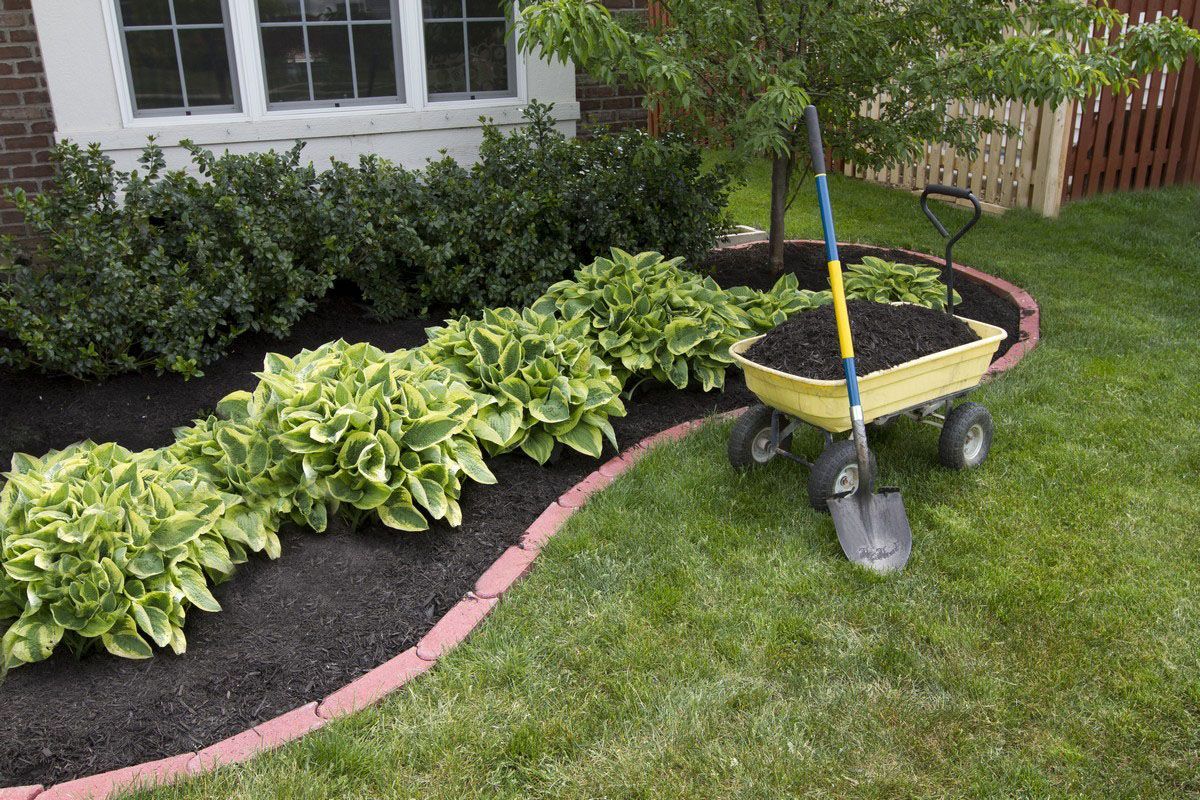
Refresh the mulch layer each spring to suppress competing weeds and conserve critical soil moisture. As organic mulch decomposes, it enriches the underlying dirt with valuable micronutrients. Maintain a clear gap between the fresh mulch and the plant stem to prevent bark rot. Winterizing delicate shrubs with permeable burlap screens protects them from harsh prevailing winds and heavy snow loads during severe cold snaps.
Cultivating an ornamental landscape rewards homeowners with enduring natural beauty and increased property value. The journey from selecting a young sapling at a plant nursery to enjoying a mature shade canopy spans multiple seasons of dedicated care. Each deliberate step in the process contributes to the overall success of the botanical investment. Patience and keen observation remain the most valuable tools in any gardener's shed.
A vibrant yard serves as a quiet personal sanctuary in a hectic modern world. The physical effort of digging, planting, and watering fosters a profound connection to the natural environment. These living monuments will continue to grow and evolve after the initial landscape installation. Embrace the ongoing process, and watch the outdoor space transform into a magnificent green haven for generations to enjoy. Give your new plant nursery additions the ideal foundation to flourish by picking up premium compost and materials from Kurtz Bros. Mulch & Soils. Visit us today to gather the supplies you need to build a vibrant backyard sanctuary!