September 2, 2026
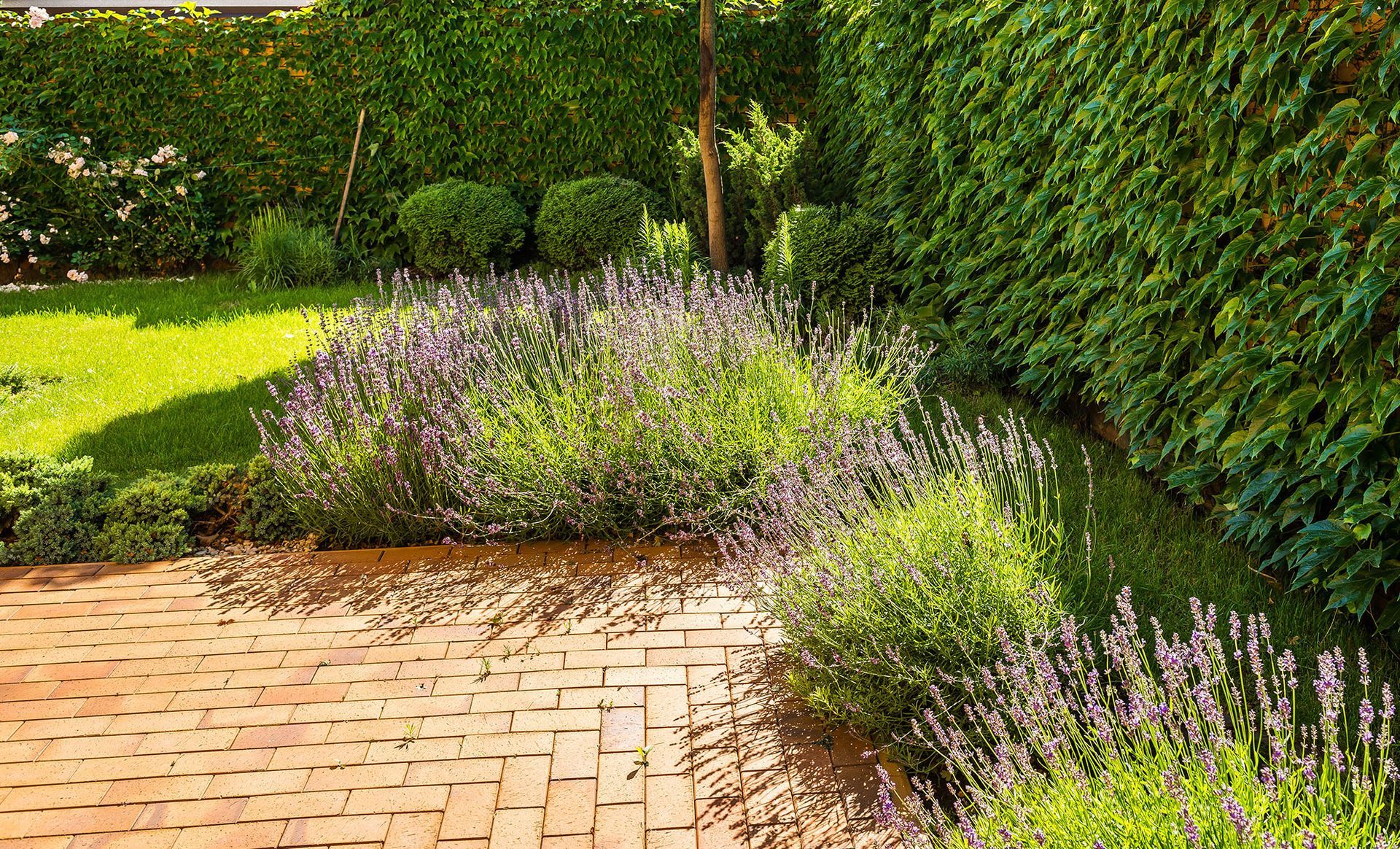
A traditional lawn can provide a clean, open appearance, but grass does not grow equally well across every part of a property. Shady areas, slopes, and other challenging spaces may remain thin or require more attention than the rest of the yard. Ground covers offer an alternative for selected areas by creating a lower-growing planted surface with color, texture, and practical benefits. Once established, many options can reduce the amount of lawn that requires regular mowing and maintenance.
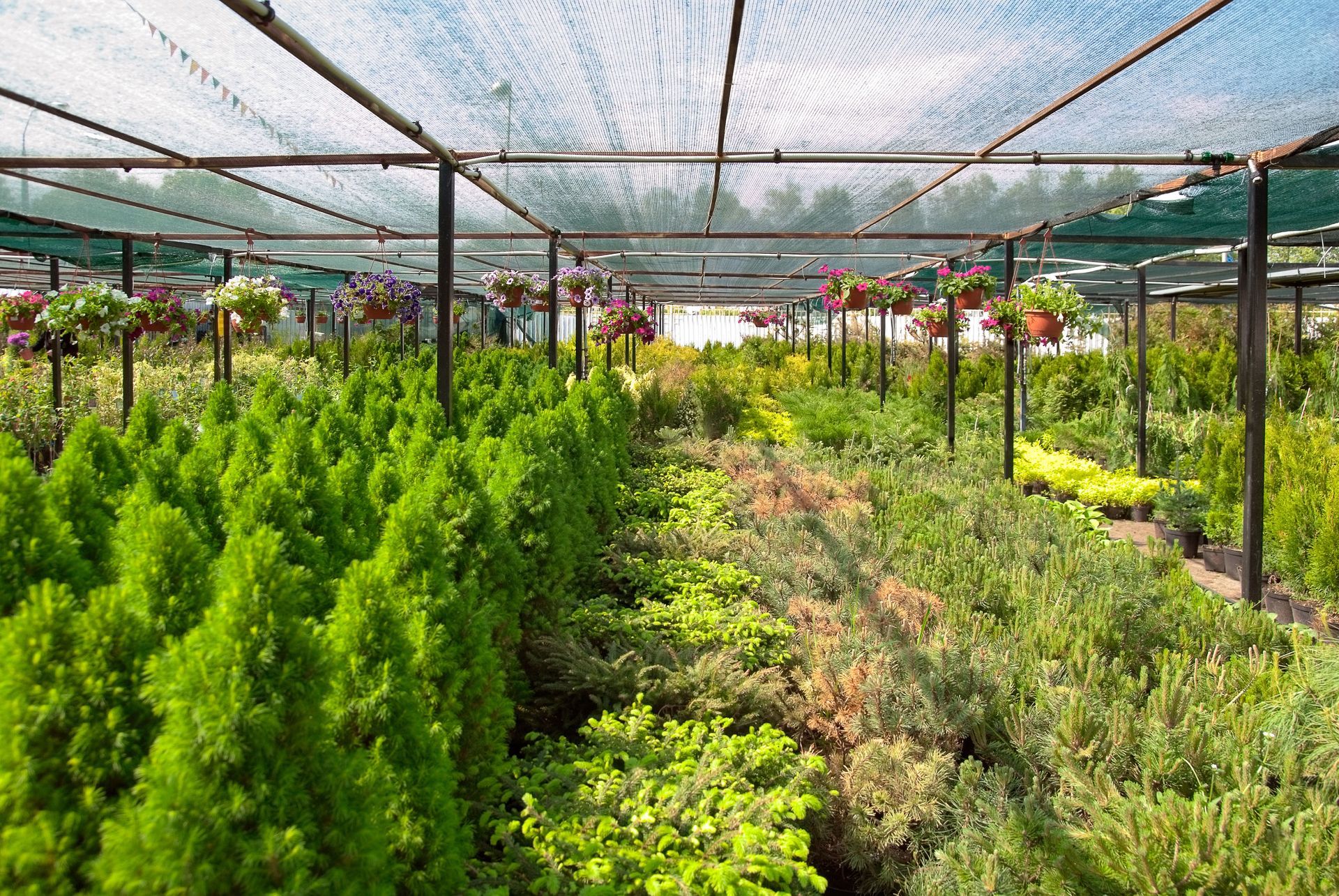
Ground covers are not interchangeable, and low maintenance does not mean that every plant has the same needs. Light, soil moisture, growing conditions, and the desired appearance should all influence the selection. Looking across different nursery products can help property owners identify plants that fit the intended area instead of repeatedly trying to maintain grass where it struggles.
Why Replacing Some Grass Can Make Sense
A lawn contains far more individual plants than its continuous green surface might suggest. According to This Old House, a thriving 1,000-square-foot lawn can consist of roughly one million separate grass plants. Maintaining that living carpet may involve recurring mowing, watering, and attention to bare or thinning areas. Replacing certain sections with ground covers can reduce the amount of turf requiring that care while preserving an attractive planted landscape.
Ground covers can also provide functions that grass does not fulfill as effectively in every setting. They may suppress weed growth, conserve soil moisture, help prevent erosion on slopes, and create habitat for beneficial insects. Their flowers and foliage can add color and texture to garden spaces as well. These benefits make ground covers useful wherever property owners want to reduce lawn maintenance while giving a difficult area a more intentional appearance.
Match the Plant to the Growing Conditions
The right option depends on the conditions where it will grow. A shaded location requires a different selection than an area receiving stronger light, while soil moisture and weather can influence how much attention newly planted ground covers need. The site conditions should guide which nursery products receive consideration. Matching the plant to the location provides a better foundation for lasting coverage than selecting by appearance alone.
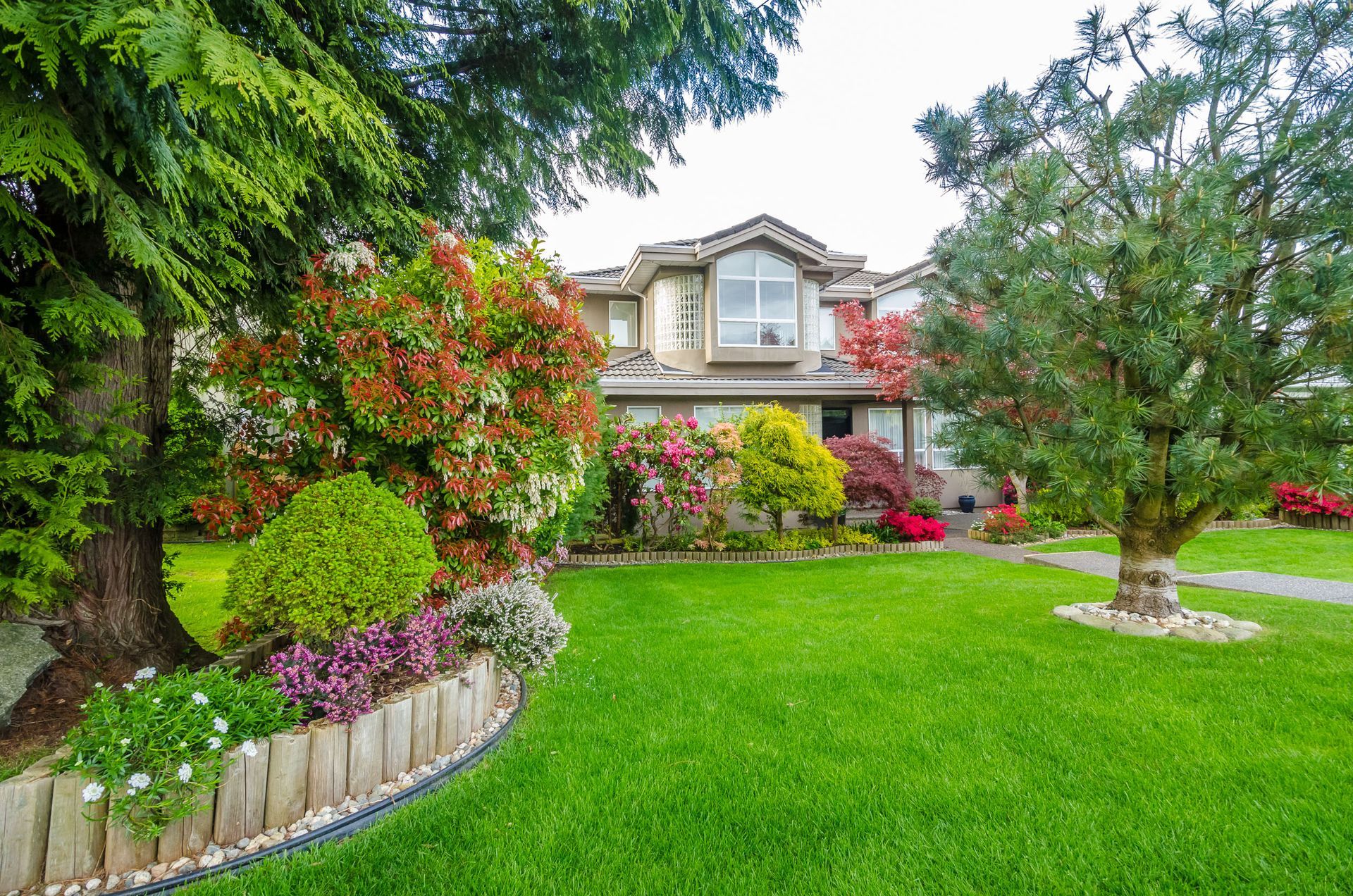
Ground covers do not need to replace an entire lawn. Grass can remain where it grows successfully, while alternative plants fill slopes, shaded sections, borders, and places where turf has difficulty. This retains familiar lawn areas while adding different colors or textures where another plant is more suitable. The result can feel coordinated without depending on a single plant type.
Explore Low-Growing Options With Distinctive Texture
Creeping thyme is one option for creating a carpet-like effect in an area where grass is not the preferred choice. Available selections include red creeping thyme and woolly thyme, giving property owners more than one form to consider. The mature character of nursery products matters as much as their appearance in a container because each selection contributes something different to the larger landscape. Creeping thyme can bring both texture and visual interest to a planted area.
Sedum provides another low-growing option with a notably different appearance from traditional turf. Dragon's Blood creeping stonecrop is one available variety that can introduce richer color among surrounding landscape elements. Its distinctive form can contrast with broad-leaved plants, shrubs, mulch, or aggregates. This makes sedum useful where the goal is not to imitate a formal lawn but to create a more varied surface.
Consider Selections for Shadier Areas
Pachysandra is a notable alternative for areas with limited light. It can provide consistent coverage where turf becomes sparse while adding leafy texture to the landscape. Vinca minor, also known as periwinkle or myrtle, is another selection that can thrive in low-light conditions and spread across the ground. Bowles myrtle offers a specific form for property owners who want to include vinca in a shaded space.
English ivy is also among the ground covers commonly considered for lower-light locations. Available forms may include standard English ivy and the Thorndale variety, while pachysandra may be labeled as spurge in product listings. These nursery products provide multiple ways to approach shaded coverage without relying on grass. Reviewing the available forms also helps distinguish plants that might otherwise appear similar when described only by a common name.
Bring More Color to Defined Garden Areas
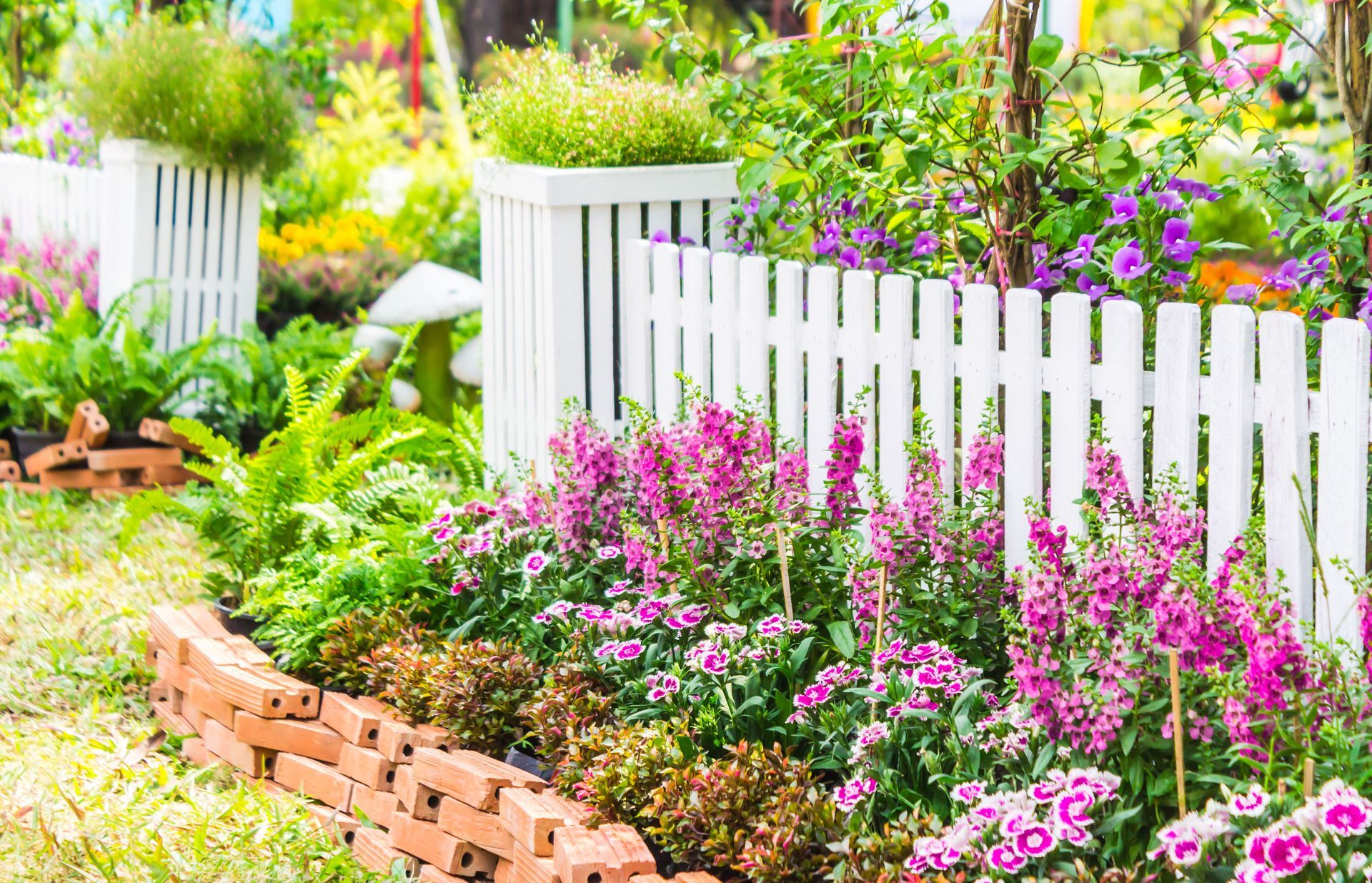
Ajuga provides several choices for adding visual variety to a low-growing planted surface. Black Scallop, Bronze Beauty, Burgundy Glow, and Chocolate Chip are among the named varieties available for consideration. The different selections allow ground coverage to become part of the garden's color and texture rather than serving only as a substitute for missing grass. Ajuga can therefore contribute to both the practical and decorative purpose of the area.
Creeping phlox is another ground-cover selection that can add color to a visible border, slope, or garden space. Irish moss offers a different appearance while still creating the lush, carpet-like effect associated with some lawn alternatives. Within this group of nursery products, differences in appearance and coverage help one option stand apart from another. Choosing among them depends on the site and the type of visual interest desired.
Use Ground Covers as Practical Landscape Features
A well-covered area leaves less exposed soil and may help suppress unwanted plant growth. Ground covers can also conserve soil moisture, which adds another functional benefit beyond reducing the amount of grass on a property. On slopes, appropriate coverage can help limit erosion while adding color and texture to an otherwise challenging section. These qualities allow the plants to address practical concerns without sacrificing visual appeal.
Some ground covers may also create habitat for beneficial insects. Flowering options contribute seasonal color, while foliage-focused choices provide texture even when blooms are not the main feature. These benefits can make a previously difficult section of the yard feel like a purposeful part of the landscape. Instead of treating every non-grass area as a problem, property owners can use ground coverage to give it a defined role.
Coordinate Plants With Complementary Materials
Ground covers are only one component of a planted landscape. Topsoil, compost, specialty soil blends, and mulch can support plants while contributing to the appearance of the surrounding area. Related nursery products and landscaping materials allow color, texture, and coverage to work together as a cohesive composition. Aggregates can provide another visual element alongside planted sections without changing the role of the ground cover itself.
Maintain Realistic Expectations
Newly planted ground covers generally require more frequent watering until their root systems become established. Soil moisture and weather conditions influence those needs, so the same pattern may not suit every location or plant. Established ground covers may require less lawn-related work because they do not need the same mowing routine as traditional grass. They still remain living plants with care needs tied to their particular growing conditions.
Availability can differ by season and location, making current information valuable before a selection is made. Knowledgeable nursery staff can explain which available
nursery products fit particular growing conditions and provide guidance about planting and care. That assistance can help property owners distinguish between plants with similar appearances or common names. It also creates an opportunity to confirm availability before settling on a particular variety.
Ground covers can turn areas where grass struggles into purposeful spaces with greater color, texture, and functionality. Selecting plants according to actual growing conditions supports a low-maintenance landscape without requiring grass in every corner. For high-quality products, get in touch with Kurtz Bros. Mulch & Soils! We're here to provide guidance on available options and the plants suited to a particular landscape.