November 2, 2026
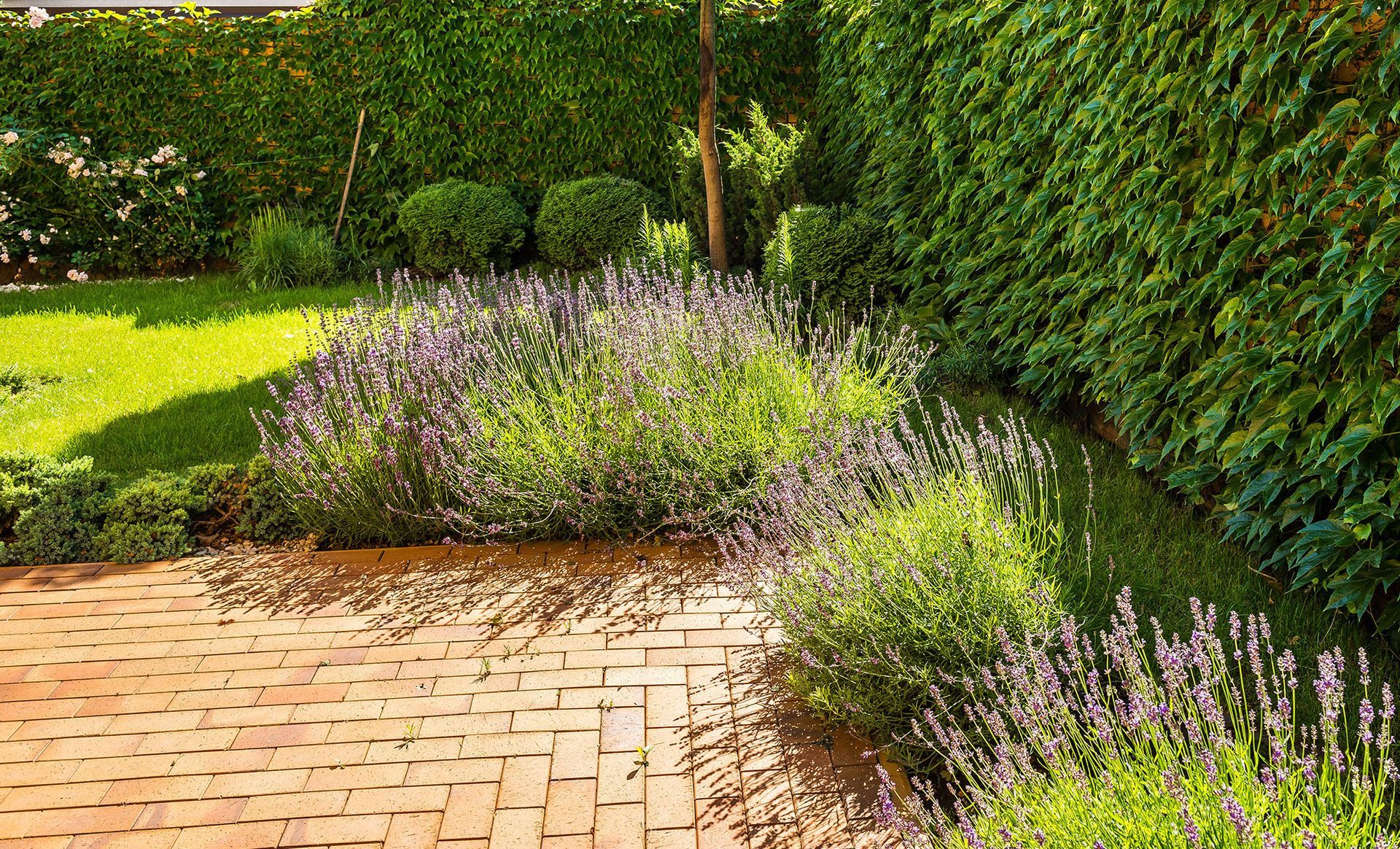
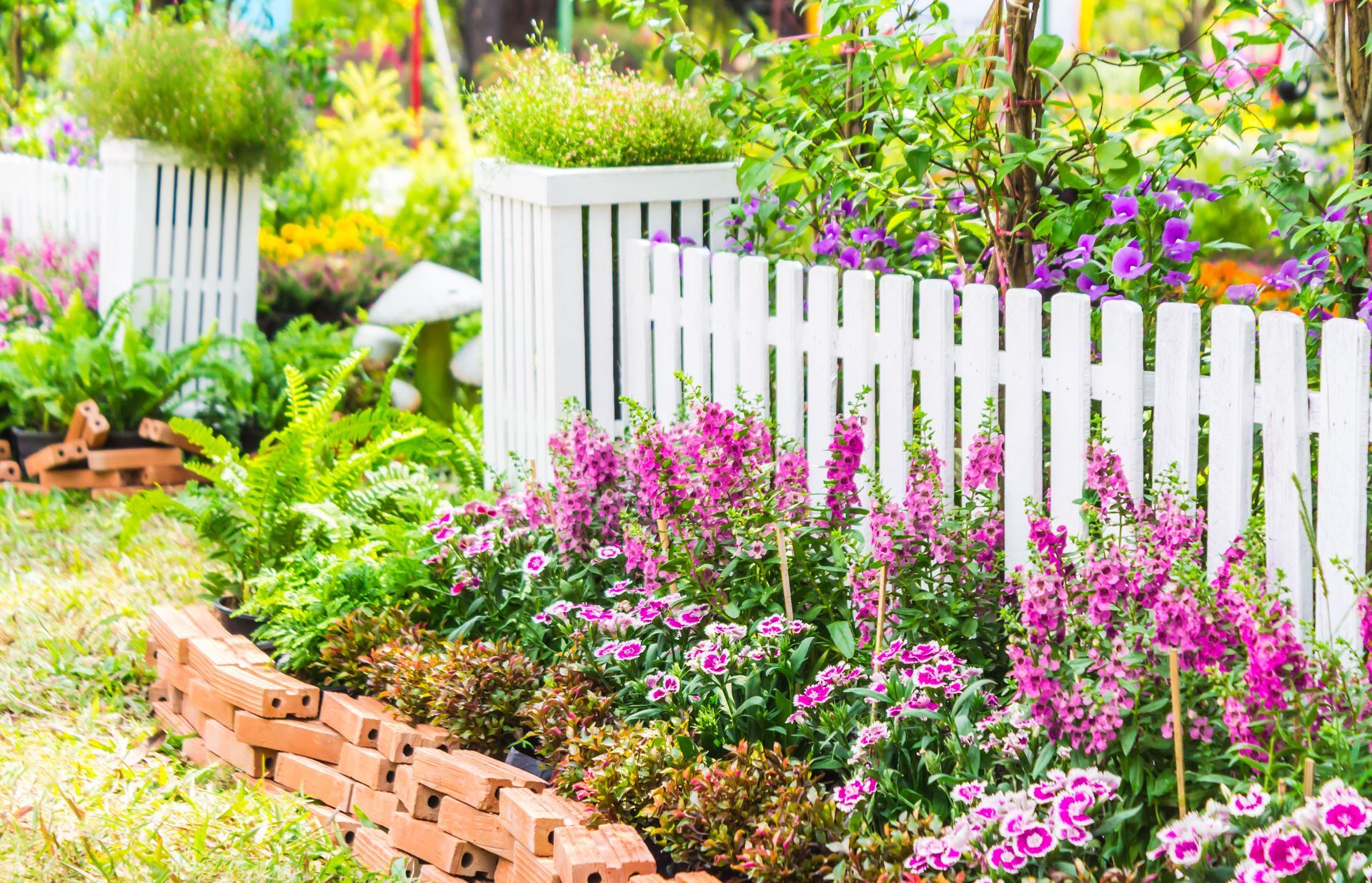
Homeowners throughout Ohio are transforming their yards by embracing regional plant varieties that grow naturally in our climate. Choosing native vegetation makes maintenance simpler while keeping outdoor spaces vibrant through every season. Native plants thrive because they have adapted to regional weather patterns over centuries, and visiting a local plant nursery reveals robust perennials and ornamental grasses that require far less intervention than delicate exotic imports.
Understanding the Growing Appeal of Native Landscaping
Home gardening should be an enjoyable hobby rather than an exhausting weekend chore. Traditional landscape designs often rely on imported plants that struggle in local conditions. These non-native varieties demand constant watering and chemical applications to survive hot summers and freezing winters. Shifting toward native choices removes that ongoing struggle, allowing you to enjoy your outdoor space with minimal hassle.
Surviving Tough Seasonal Weather Changes
Midwestern weather brings dramatic seasonal swings, from freezing winter snow to intense summer heat. Plants from milder climates often suffer crown rot during wet springs or winterkill during January freezes. Native plants handle these shifts with ease because their dormancy cycles match regional conditions naturally.
Deep root systems give regional plants a distinct advantage during severe weather. While shallow-rooted turfgrass withers during midsummer heatwaves, native roots reach deep for moisture. These underground networks anchor plants against high winds and recover quickly after storms, meaning you spend far less time replacing dead foliage.
Conserving Water and Trimming Utility Expenses
Hydrating non-native flowerbeds during summer causes municipal water bills to climb quickly. Sprinklers running every morning create ongoing expenses while placing unnecessary demands on water supplies. Regional vegetation reduces this burden because established native plants rely primarily on seasonal rainfall, rarely needing supplemental watering once their root systems settle in.
Conserving water also protects the long-term health of your garden beds. Overwatering exotic plants frequently leads to fungal infections and root rot in dense clay soils. Native species absorb rainfall efficiently, preventing standing water and runoff. Choosing plants that tolerate natural moisture levels lowers monthly utility bills while maintaining a lush yard.
Preparing Beds With Quality Soils and Mulch
Healthy plants depend on healthy soil. Even hardy native species need a supportive foundation to establish strong roots during their first growing season. Regional ground often contains heavy clay that compacts easily. Preparing planting beds with organic matter gives your new vegetation the head start it needs to flourish.
Enriching Ground Health With Organic Compost
Heavy clay soil feels like brick during dry summer weeks and soggy mud during spring rains. Amending garden beds with rich compost and screened topsoil transforms dense ground into a fertile planting medium. Compost introduces beneficial microorganisms, while loosening compacted particles so oxygen and moisture move freely.
Before introducing starter plants from a plant nursery, blending organic compost into your garden beds prepares the ground for long-term vitality.
Quality compost balances soil texture without synthetic chemicals. Healthy soil biology encourages deep root growth, helping plants establish firm anchors and absorb moisture efficiently with minimal outside help.
Locking in Moisture Using Premium Hardwood Mulch
Applying bulk mulch is an effective step to simplify garden maintenance. A thick layer of hardwood mulch acts like an insulator, keeping root zones cool during scorching afternoons and shielding roots from sudden frosts. Mulch also prevents evaporation, keeping moisture from morning dew locked beneath the surface.
In addition to regulating soil temperature, mulch suppresses weed seeds from getting sunlight and sprouting. Fewer weeds in your beds means less time pulling unwanted growth on weekends. Over time, organic bark mulch breaks down into the soil, feeding the earth while creating a polished, manicured appearance.
Supporting Backyard Wildlife and Native Pollinators
Landscaping with regional plants creates an inviting sanctuary for neighborhood wildlife outside your window. Residential development often fragments habitats, leaving creatures with fewer feeding and nesting areas. Incorporating native species into your outdoor design helps restore vital natural corridors throughout your community.
Providing Food for Helpful Insects and Birds
Native insects and songbirds have developed close relationships with regional flora over countless generations. Many beneficial caterpillars rely on specific indigenous flowers and shrubs for nectar and pollen. Exotic ornamental plants might offer colorful blossoms, but they often lack the nutrition local pollinators require. Introducing native flowering perennials fills your garden with active butterflies and bumblebees.
Songbirds also benefit directly when you plant regional varieties. Shrubs producing late-season berries provide calories for migrating birds during autumn and winter. Sturdy native grasses offer sheltering spots for small animals during heavy rainstorms. Watching wildlife visit your garden adds daily joy and brings your landscape to life with natural movement.
Resisting Common Garden Pests Without Chemicals
A major frustration of gardening is battling persistent pests that chew through leaves and blossoms. Non-native plants often lack defenses against local insects, prompting homeowners to purchase chemical pesticides and sprays.
These treatments can harm beneficial pollinators and disrupt the natural balance of your garden.
Native species have spent centuries developing natural defenses against regional pests and fungal diseases. Healthy native plants co-exist with local insects without suffering catastrophic damage. When minor pest populations appear, predatory insects arrive naturally to keep numbers in check. This balance eliminates expensive chemical interventions, keeping your yard safer for children and pets.
Exploring the Advantages of a Local Plant Nursery
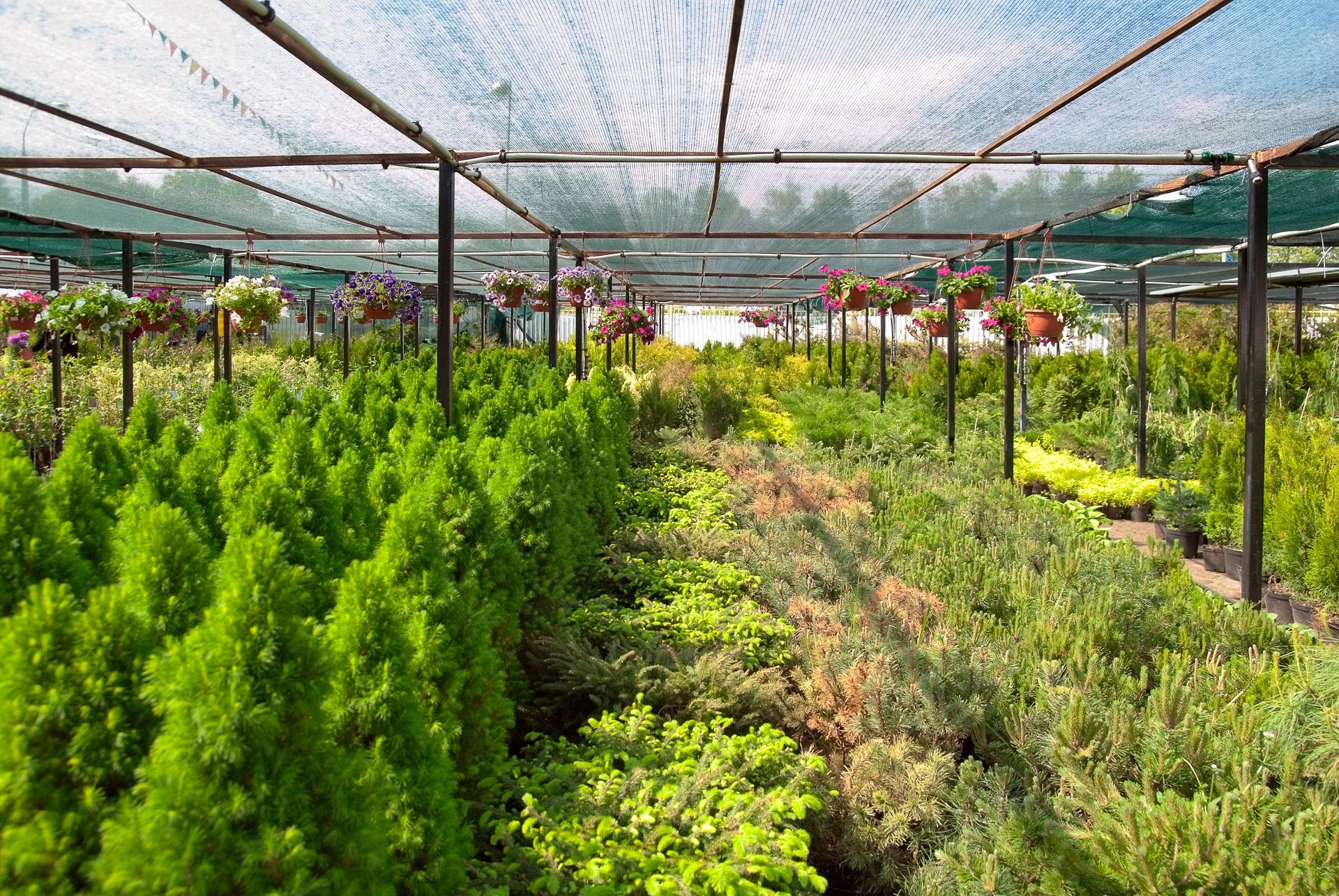
Where you purchase landscaping materials directly impacts the success of your project. While large retail chain stores carry mass-produced plants shipped from distant locations, these greenhouse specimens often struggle in Ohio soil. Visiting an established plant nursery provides access to healthy, locally acclimated plants ready to thrive in your yard.
Picking Healthy Stock Acclimated to the Area
Mass retailers frequently source their inventory from warm southern states where growing seasons are long and mild. When these tender plants arrive in the Midwest, our fluctuating spring temperatures and heavy clay soils can cause severe transplant shock. Buying from a plant nursery ensures that the stock has already adapted to regional humidity and winter chills.
According to IBISWorld, industry profit from the nursery and garden stores industry has held steady at 3.8% of revenue, as of August 2026. Local businesses invest this stability back into plant care, nurturing stock with proper watering. When you pick up plants with established root balls, they transition into your garden beds smoothly and start growing immediately.
Gathering Practical Guidance for Planting
Every yard features unique growing conditions, from dry shade under trees to sun-drenched slopes along driveways. Staff members at a dedicated plant nursery understand these conditions and guide you toward varieties matching your property layout. They recommend perennials for shade and native shrubs that tolerate wet drainage areas.
Getting advice from experienced growers helps you avoid costly mistakes. Rather than guessing which plants will survive, you receive practical advice on spacing and watering schedules. Spending time at a plant nursery connects you with knowledgeable professionals who share your enthusiasm for creating manageable outdoor spaces.
Building a low-maintenance, resilient landscape requires combining strong native plants with premium soil amendments. A beautiful garden begins with proper soil preparation and quality ground cover. Sourcing your bulk mulch, rich topsoil, and nutrient-dense compost from a dedicated local supplier ensures that your landscaping project starts on solid ground.
When you prepare your property with care, your native garden beds flourish with minimal upkeep. You can spend weekends relaxing on the patio rather than hauling hoses and weeding endlessly. For all your bulk mulch, soil blends, and landscape supply needs, contact our team at Kurtz Bros. Mulch & Soils.