October 1, 2026
Incorporating trees into your garden or landscape not only enhances its aesthetics but also supports biodiversity and improves air quality. For any plant enthusiast or landscaper, selecting healthy trees from a reliable tree nursery is pivotal to achieving a thriving garden. A careful selection process ensures that the trees you plant not only survive but flourish to their full potential. This guide aims to equip you with the knowledge of choosing the right nursery and trees that will grace your landscape for years to come. With these insights, you'll also be better prepared to tackle any potential challenges that may arise post-planting.
Evaluate a Tree Nursery for Quality and Reliability
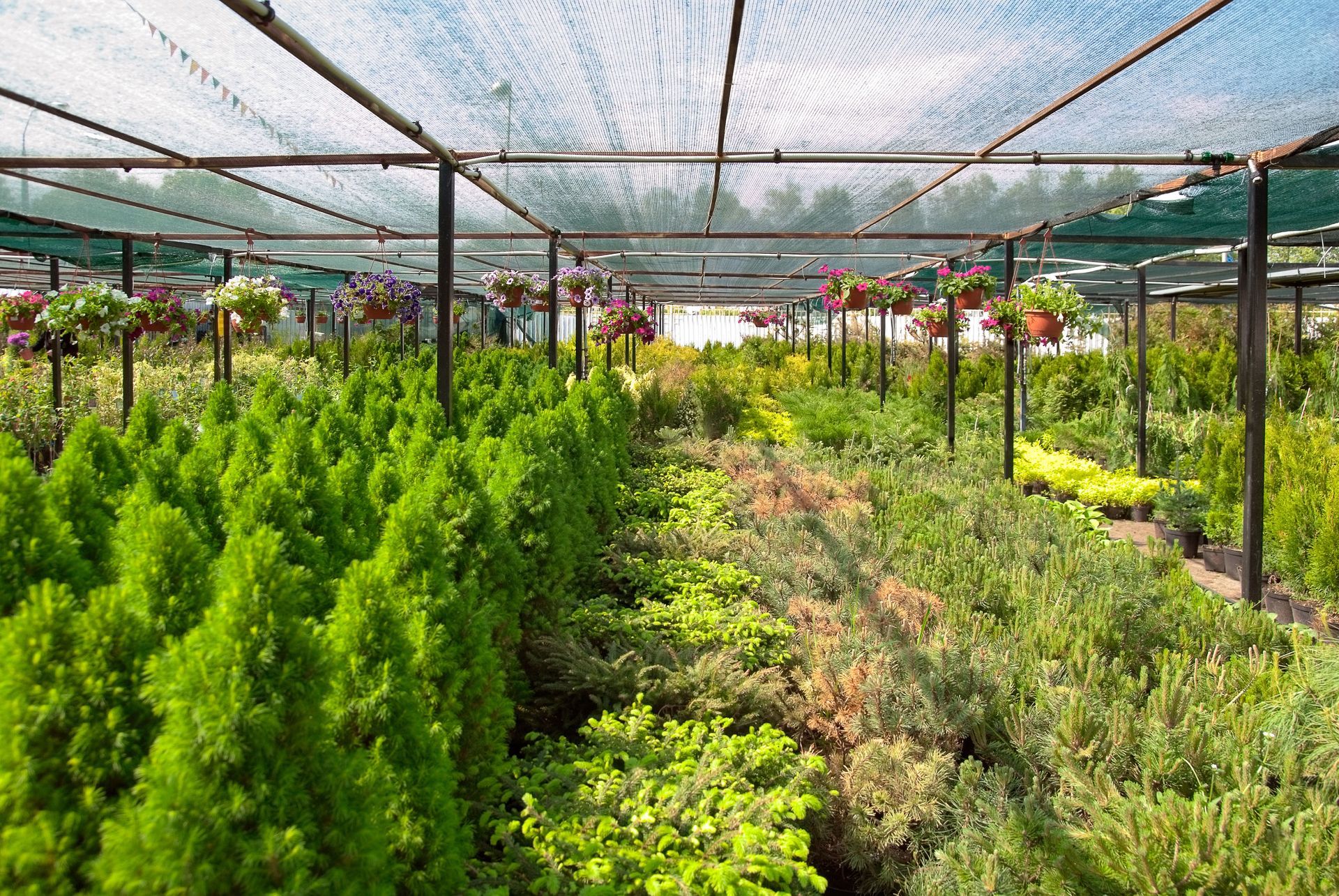
Choosing the right tree nursery involves evaluating their reputation, expertise, and range of species offered. A reputable nursery will have knowledgeable staff who are willing to advise and share insights about the trees they sell. The diversity in tree species is a good indicator of a nursery's commitment to meeting a wide range of planting needs, including climate and soil conditions. Ultimately, selecting a reliable nursery ensures you receive trees that are healthy and suited for your specific gardening goals. Don't hesitate to ask questions or request references to further assess the nursery's reliability.
Visiting the nursery before making a purchase can provide insights into how well the plants are cared for. Observing the overall health of the trees, such as vibrant leaves and robust growth, can reflect the nursery's commitment to quality. Additionally, a well-organized nursery where trees are properly tagged and categorized further displays their attention to detail and customer service. Collectively, these factors create an impression of a nursery's reliability and credibility. An in-person visit can also help you build rapport with the staff, ensuring a supportive relationship for future tree care guidance.
Another important aspect to consider is whether the nursery prioritizes local tree species that are acclimated to regional conditions. Locally sourced trees are often better adapted and more likely to thrive after planting. Moreover, a nursery following sustainable practices not only benefits the environment but also enhances the long-term health of the trees. According to Proficient Market Insights, nearly 61% of tree nursery demand comes from landscaping and urban plantation projects, underscoring the importance of selecting a nursery that accommodates such diverse needs. Supporting nurseries that focus on sustainability also contributes to broader ecological efforts.
Inspect Trees for Signs of Healthy Growth
Identifying key characteristics of a healthy tree is essential when making a purchase from a tree nursery. Firstly, assess the foliage; healthy trees will have vibrant, undamaged leaves or needles free from discoloration and pests. A healthy root system is equally important and should be well-developed, with no visible signs of rot, disease, or damage. Ideally, the roots should be neither pot-bound nor overly fragile, indicating a balanced growth process. Observing these features can provide confidence in the tree's ability to acclimate and thrive in a new environment.
Inspecting the bark provides additional insights into the tree's vitality. A healthy tree will possess intact, firm bark without scars or wounds, suggesting resilience against environmental stressors. The trunk should be sturdy, exhibiting no signs of deformity, which could indicate underlying health issues. Checking these physical attributes can assure you of the tree's structural stability and growth potential once planted. Such diligence helps avoid future issues that might arise from unnoticed defects or vulnerabilities.
Lastly, consider the overall shape and branch structure, as this influences the tree's growth habits and aesthetic appeal over time. Evenly distributed branches that are proportional to the trunk are ideal and allow for balanced growth. Trees with asymmetrical branches or uneven growth may struggle to maintain optimal health. By carefully evaluating these characteristics, you can ensure that your selected tree will adapt well to its new environment and flourish. A well-formed tree will contribute positively to the aesthetic and functional diversity of your landscape.
Select Tree Species for Your Regional Conditions
Selecting suitable tree species for your region is crucial in ensuring long-term growth and minimizing maintenance needs. Trees native to your area have naturally adapted to the local climate and soil conditions, making them resilient against pests and diseases. Additionally, native trees often require less water and fertilization, supporting sustainable gardening practices. Consulting with local arborists or nursery experts can provide guidance on which tree species are best suited for your specific location. Understanding the particularities of your region helps in creating a more ecologically balanced and harmonious garden.
Beyond native species, consider the unique microclimate of your property and how it may affect tree growth. For instance, areas with higher sun exposure may benefit from drought-tolerant species, while shaded locales may require trees that thrive in lower light. Adjusting your selection based on these considerations will increase the chance of your trees flourishing and enhancing the landscape. Furthermore, integrating a mix of evergreen and deciduous trees can provide year-round visual interest and ecological benefits. This strategic planting can enhance both the beauty and environmental value of your outdoor space.
It's also vital to consider the mature size of the tree, ensuring there is adequate space for root and canopy expansion without interfering with structures or power lines. Awareness of the tree's ultimate height and spread can prevent future issues with overcrowding and competition for resources. By planning and selecting appropriately, you can cultivate a diverse and healthy landscape aligned with your region's ecological characteristics. This foresight in selecting trees can save potential headaches and maintain harmony with the existing environment.
Prepare Trees for Successful Post-Planting Growth
Ensuring that your trees thrive post-planting starts with proper preparation and an understanding of their initial care needs. Begin by meticulously preparing the planting site, ensuring the soil is well-aerated and enriched with necessary nutrients. When planting, dig a hole that allows for root expansion and prevents constriction, and ensure the tree is planted at the correct depth. Such careful groundwork will provide a solid foundation for the tree's growth and development. Planning these steps thoroughly establishes a strong beginning for the tree's life in your landscape.
Following the initial planting, it is imperative to follow a consistent watering schedule, especially during the tree's first growing season. Adequate moisture promotes root establishment and prevents water stress, but be wary of overwatering, which can lead to root rot. Utilizing mulch around the base of the tree helps retain moisture, regulate soil temperature, and suppress weed growth, contributing to healthier plant growth. This supplemental care is critical during the early stages of the tree's life and develops its resilience. By implementing these practices, you're setting up your trees for a successful adaptation and robust growth journey.
Continued maintenance involves regular inspections for signs of pests, diseases, and nutrient deficiencies. Timely intervention through pruning, fertilization, or treatments can avert potential health issues. Engage with a local arborist if specialized care is required to address specific concerns that arise during the tree's growth. In ensuring the longer-term vitality of your trees, patience and attentive care are your best allies. Regular monitoring and proactive management are keys to a flourishing and enduring landscape.
Selecting healthy trees from a reputable tree nursery is an essential step towards achieving a thriving garden or landscape. By focusing on the integrity of the nursery, the health characteristics of the tree, and its compatibility with your regional conditions, you can make informed purchasing decisions. Proper post-planting care further ensures the tree's successful establishment and growth. By dedicating time and thought to this process, you are investing in the ecological and aesthetic prosperity of your environment for generations to come. These efforts will not only benefit your personal surroundings but also contribute positively to the broader ecosystem. Reach out to Kurtz Bros. Mulch & Soils to learn more about our tree nursery today.